01
Looping Hallway System
Built the core hallway loop mechanic that allows the player to repeatedly move through the same space while the game swaps or alters events to create progression and tension.
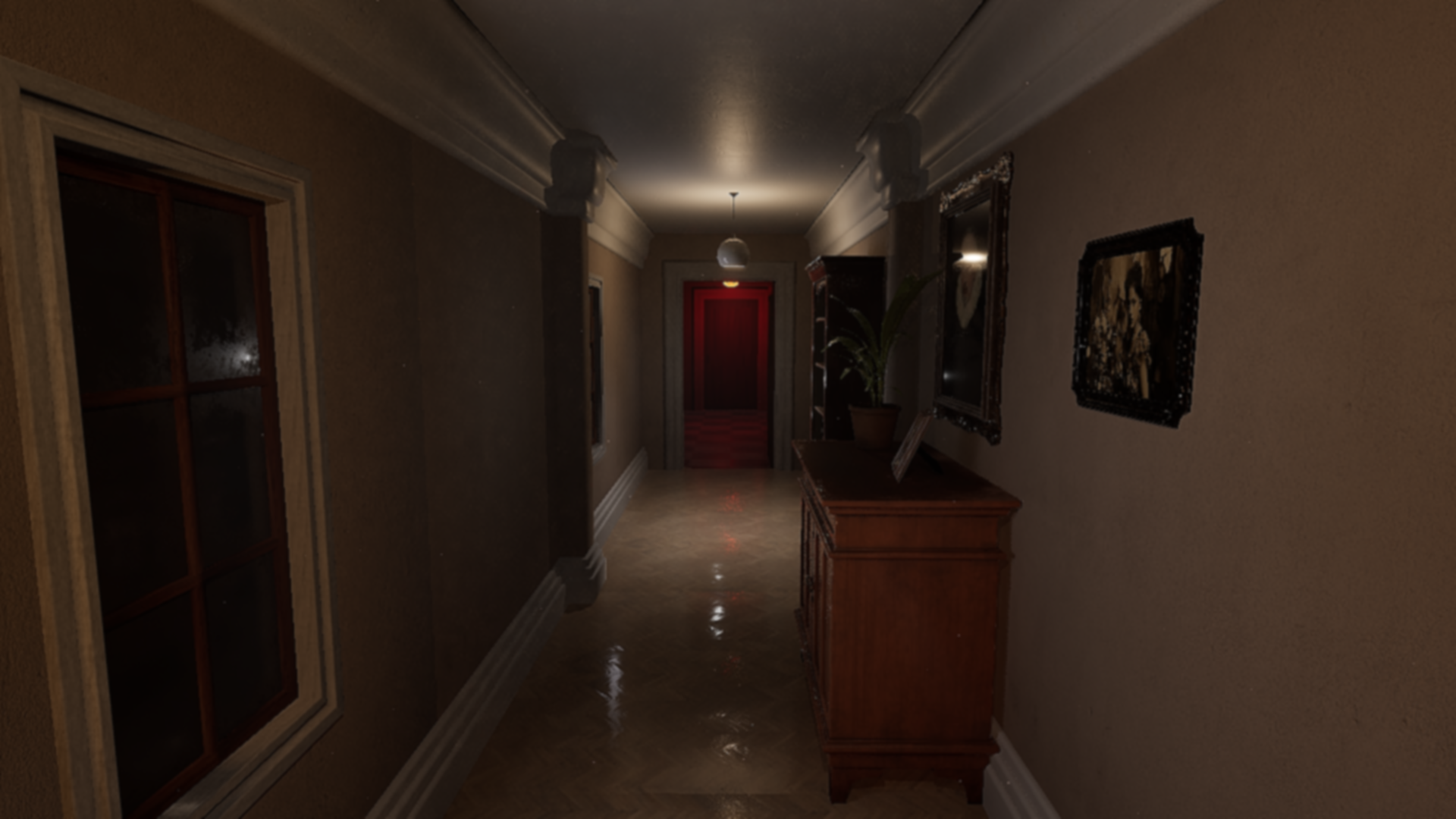
A psychological horror game in UE5, this project explores player disorientation through an infinite loop mechanic. I focused on developing robust backend systems, including modular hallway logic and a dynamic event sequencer, to manage environmental changes and pacing. The result is a high-tension experience where gameplay flow is driven by technical optimization and scripted suspense.
Role
I built the project from start to finish, with the strongest focus on gameplay programming, looping hallway systems, event logic, and creating tension through environmental behavior.
Responsibilities
Images
Video
Major Contributions
Built the core hallway loop mechanic that allows the player to repeatedly move through the same space while the game swaps or alters events to create progression and tension.
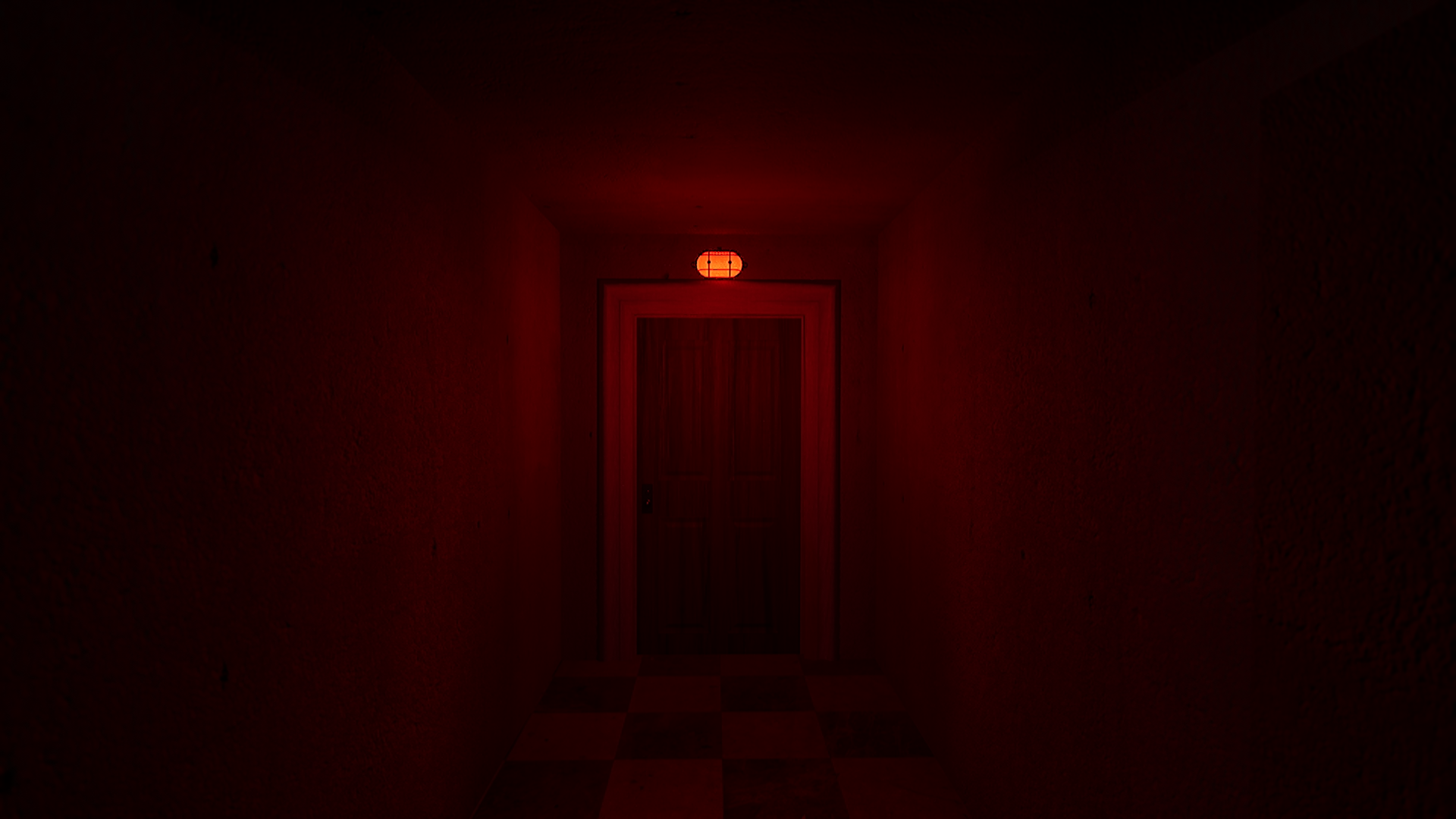
Implemented event logic for changes such as flickering lights, shifting images, sound events, jumpscares and other environmental cues that escalate psychological pressure over time.
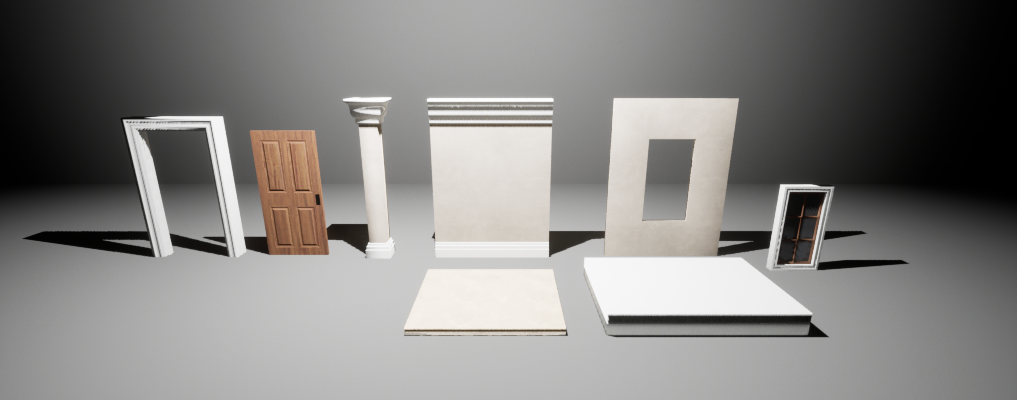
Focused on created photorealistic modular game assets to fit the game aesthetic and theme.
In-Depth Write-up
The main goal was to create a first-person horror driven demo game using Unreal Engine 5 to apply most of my skills. The project is heavily inspired by Hideo Kojima’s famous playable teaser, P.T, whose main feature was looping hallways.
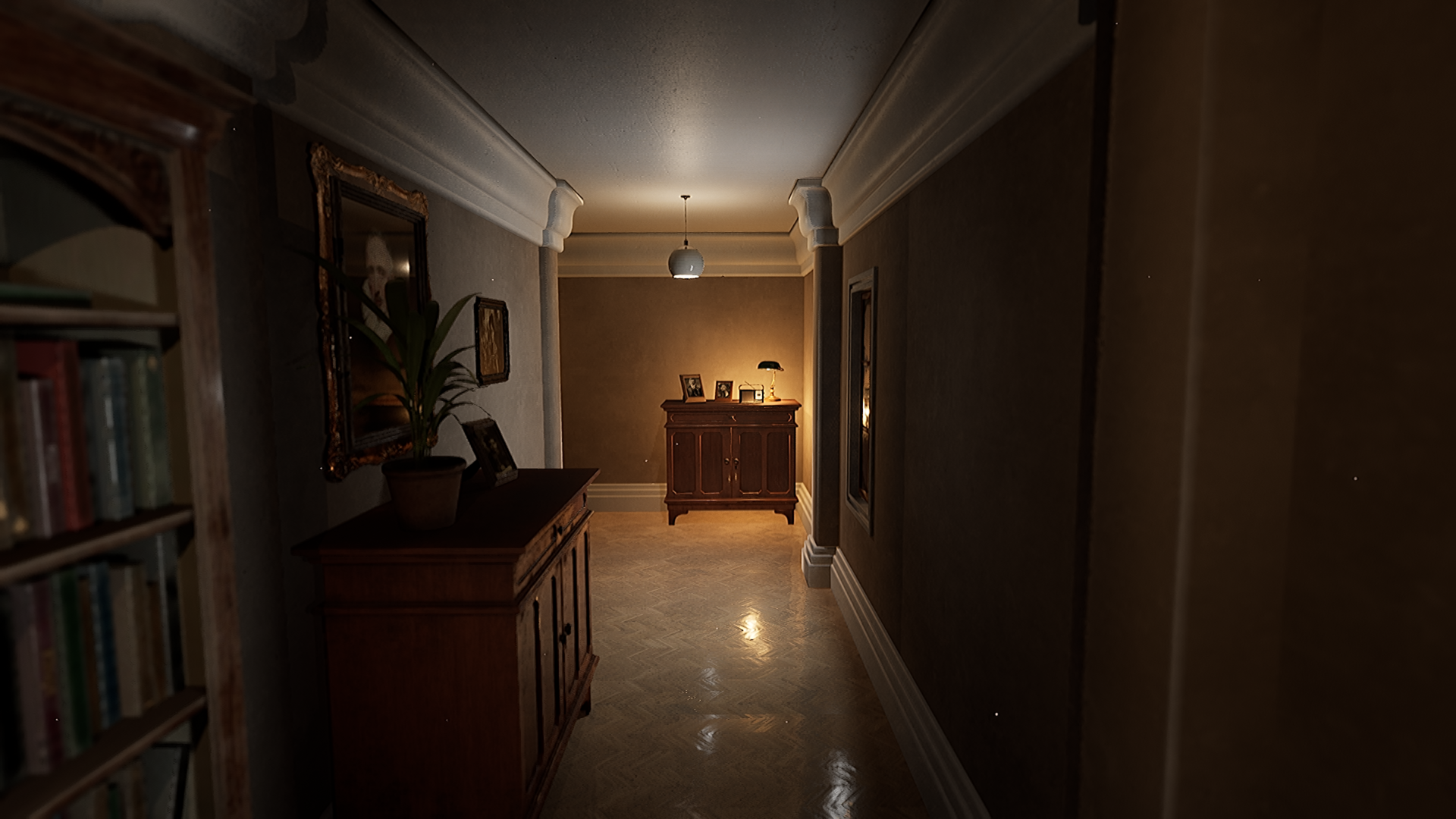
One of the biggest features and challenges arose when trying to program looping hallways. There were multiple solutions found on how we can approach this task like having two of the same hallways at all times and spawning/despawning them when needed. Ultimately, I decided to go for seamless teleportation between hallways, which allowed only one room to spawn, saving performance and allowing me to work with my custom event system more freely.
Since I am building a horror game, I also need to have a good event sequencer. In-game events are triggered by invisible box colliders placed throughout the hallway or by the current loop index. Attention was also given to optimization. Not only does the game have a working options menu, but it also features level streaming that unloads unnecessary parts of the level, such as rooms behind closed doors or distant hallway corners hidden from the player's view.
Since I wanted to test my game development skills I focused on level design and modelling. Most of the game models were made using Blender. A lot of time was spent on polishing the game, adding custom textures using Adobe Substance Painter 3D and giving it the attention of detail that every good game deserves. Lighting was the most difficult part of the level design phase, as I had to strategically place lights to ensure both high visual quality and optimized performance.