01
Wave Progression System
Built the wave structure that controls pacing and escalation. The goal was to make each round feel more threatening without turning combat into unreadable chaos.
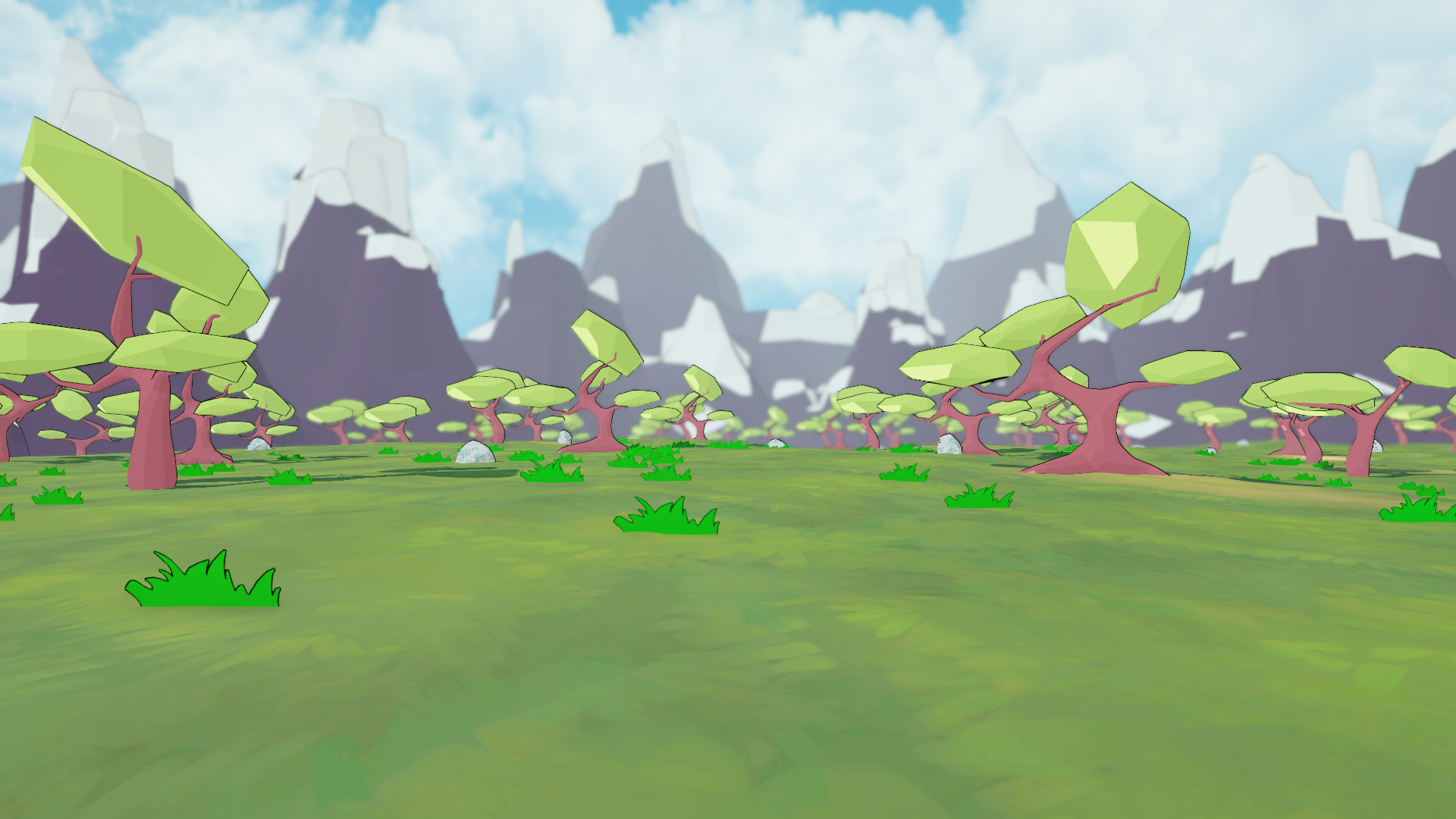
A stylized tower defense project where the player defends a sleeping child inside a dream world against waves of monsters. My focus was on gameplay systems, wave progression, combat readability, and making the defensive loop feel structured and satisfying.
Role
I was responsible for designing and implementing gameplay mechanics, as well as level design and visual presentation.
Responsibilities
Images
Major Contributions
Built the wave structure that controls pacing and escalation. The goal was to make each round feel more threatening without turning combat into unreadable chaos.
Implemented clear transitions between preparation and combat, including rules like preventing purchases during active waves so the player has to commit before pressure begins.
Focused on making the loop easier to read through cleaner pacing, stronger feedback, and game rules that reinforce decision-making instead of encouraging exploit-heavy play.
In-Depth Write-up
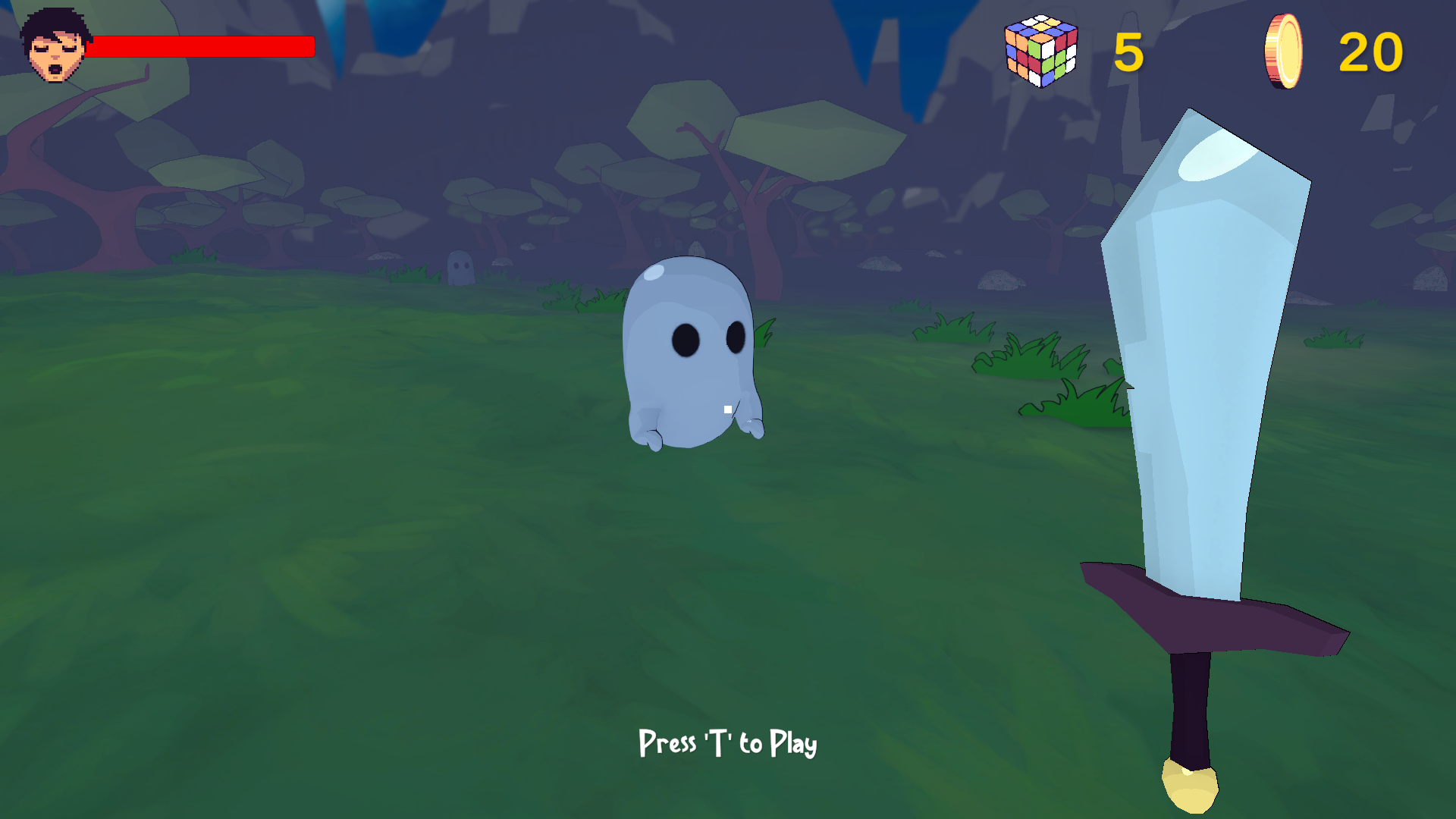
One of the main goals in Nap Sentinel was building a strong and engaging gameplay loop through the wave system. Each wave increases in difficulty by introducing increased ammount of enemies and faster spawn rates. Upon completing a wave, the player is rewarded with gold, which can be used to purchase towers and other defensive tools.
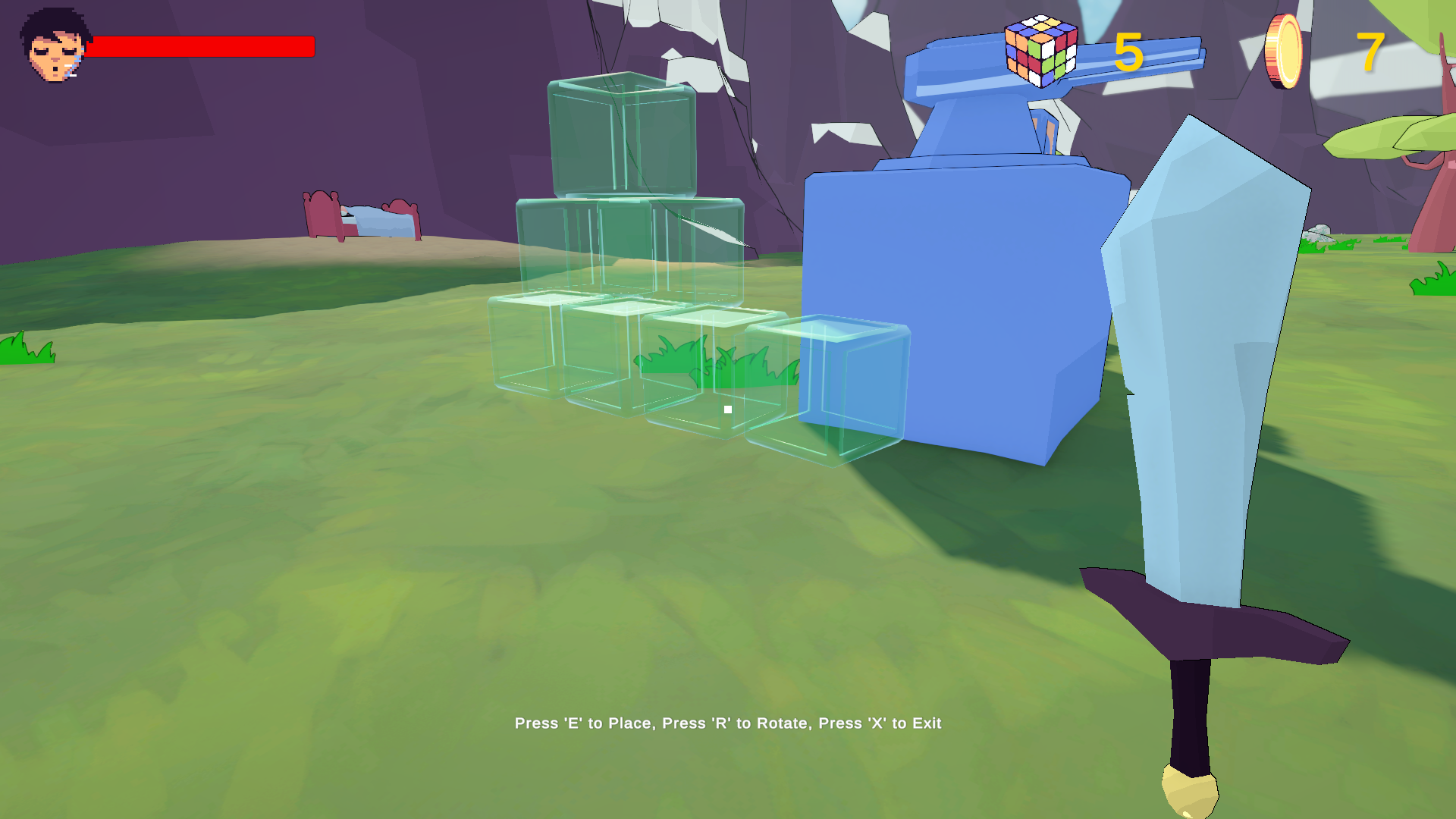
As the gameplay loop evolved, I also designed and implemented a tower system with its own building mechanics. I took inspiration from grid-based building systems used in other games to ensure clarity and consistency. The player is limited by a placement radius, encouraging strategic decisions while preventing game-breaking setups. Alongside this, I developed a shop system that allows players to spend earned gold on new traps and upgrades.
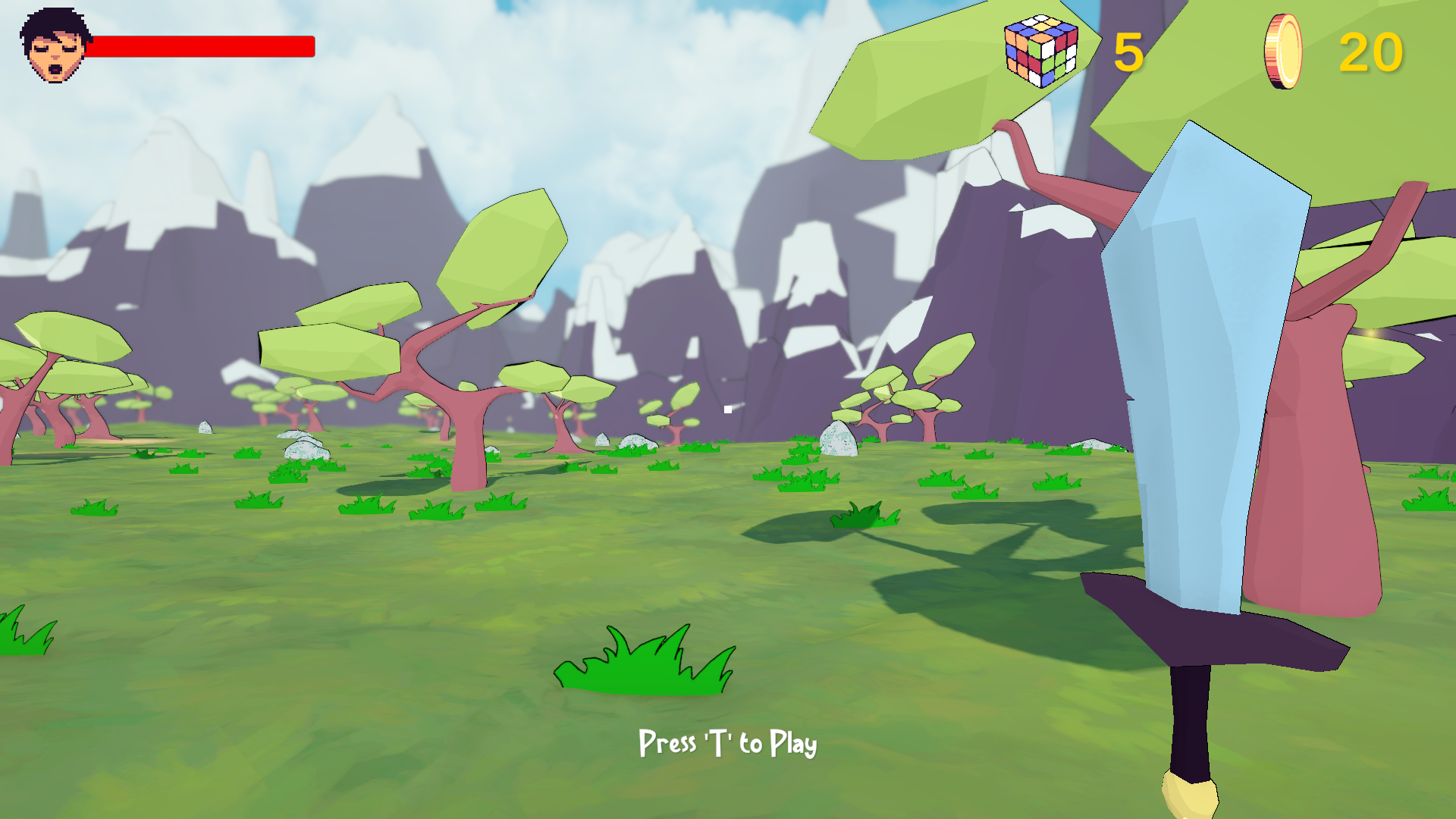
I was also responsable for level the visuals. Since the game follows a stylized aesthetic, I implemented a custom cel shader for all 3D assets to maintain visual consistency. To enhance tension, I introduced a dynamic day/night cycle where each wave transitions the environment into nighttime. The transition is smooth and reinforces the intensity of incoming enemy encounters.